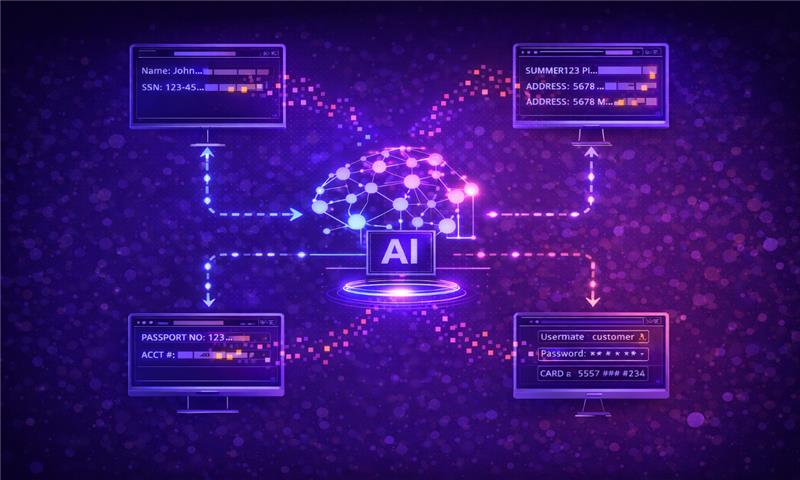
The year is 2026. Artificial intelligence isn’t just a buzzword; it’s the bedrock of modern enterprise. From automating supply chains and powering hyper-personalized customer experiences to accelerating drug discovery and optimizing financial markets, AI is now inextricably woven into the fabric of business operations. But with this unprecedented integration comes a heightened — and often underestimated — set of risks, particularly in the realm of AI safety and security.
The rapid evolution of AI models and their increasing autonomy demand a proactive and robust approach to cybersecurity. It’s no longer enough to secure the perimeter of your network; enterprises must now secure the very intelligence that drives their core functions. The question isn’t if an AI-driven attack will happen, but when, and how prepared your organization will be.
The Evolving Threat Landscape: What’s Different in 2026?
In 2026, threats to AI systems are more sophisticated and multifaceted than ever before. We’re seeing:
- Adversarial AI Attacks: Attackers are no longer exploiting only traditional software vulnerabilities. They actively manipulate training data to poison models, craft evasion attacks that cause AI to misclassify critical information, or extract sensitive data directly from model parameters. Imagine a self-driving car AI tricked into ignoring a stop sign, or a fraud detection system failing to flag a massive breach.
- AI as a Weapon: Malicious actors now leverage AI to automate and scale attacks. AI-powered phishing campaigns are indistinguishable from legitimate communications, while adaptive AI-driven malware mutates to bypass traditional defenses.
- Data Integrity Compromises: The integrity of AI training and operational data is paramount. Compromised data—through injection or subtle manipulation—leads to biased decisions, system failures, and serious reputational damage.
- Model Explainability Gaps: As models become more complex “black box” systems, understanding why decisions are made becomes increasingly difficult. This lack of explainability creates blind spots for security teams.
The Imperative for Comprehensive AI Cybersecurity Governance
Given this threat landscape, enterprises can no longer treat AI security as an afterthought. Comprehensive AI cybersecurity governance is no longer optional — it is a requirement for survival and success in 2026.
What does this entail?
-
Risk Assessment Tailored for AI
Traditional risk assessments fall short. Organizations must identify AI-specific risks such as data poisoning, model inference attacks, and misuse scenarios. -
Secure AI Development Lifecycle (SecDevOps for AI)
Security must be embedded at every phase of AI development — from data collection and training through deployment and monitoring. -
Dedicated AI Security Teams & Expertise
Defending AI systems requires specialized skills. Enterprises must train or hire experts in adversarial machine learning, AI ethics, and data security. -
Robust Data Governance for AI
Strong controls around data provenance, access, quality, and anonymization form the first line of defense against AI attacks. -
Continuous Monitoring and Threat Detection
AI systems require real-time monitoring for drift, anomalous behavior, and adversarial activity — far beyond traditional intrusion detection. -
Explainable AI (XAI) Initiatives
XAI improves transparency, enabling teams to understand decisions, detect risks, and demonstrate compliance. -
Regulatory Compliance & Ethical AI Frameworks
Rapidly evolving regulations demand governance models that address fairness, transparency, accountability, and auditability. -
Incident Response Plans for AI Breaches
Organizations must prepare for AI-specific incidents with playbooks covering model rollback, retraining, data remediation, and ethical impact assessment.
The future of business is undeniably intertwined with AI. To unlock its full potential, enterprises must first master its risks. In 2026, comprehensive AI cybersecurity governance is not just a defense — it is the foundation of resilient, trustworthy, and innovative AI systems.
Ignore it at your peril.
Let Cranium help you secure and govern your AI systems — book a demo to see our platform in action.